
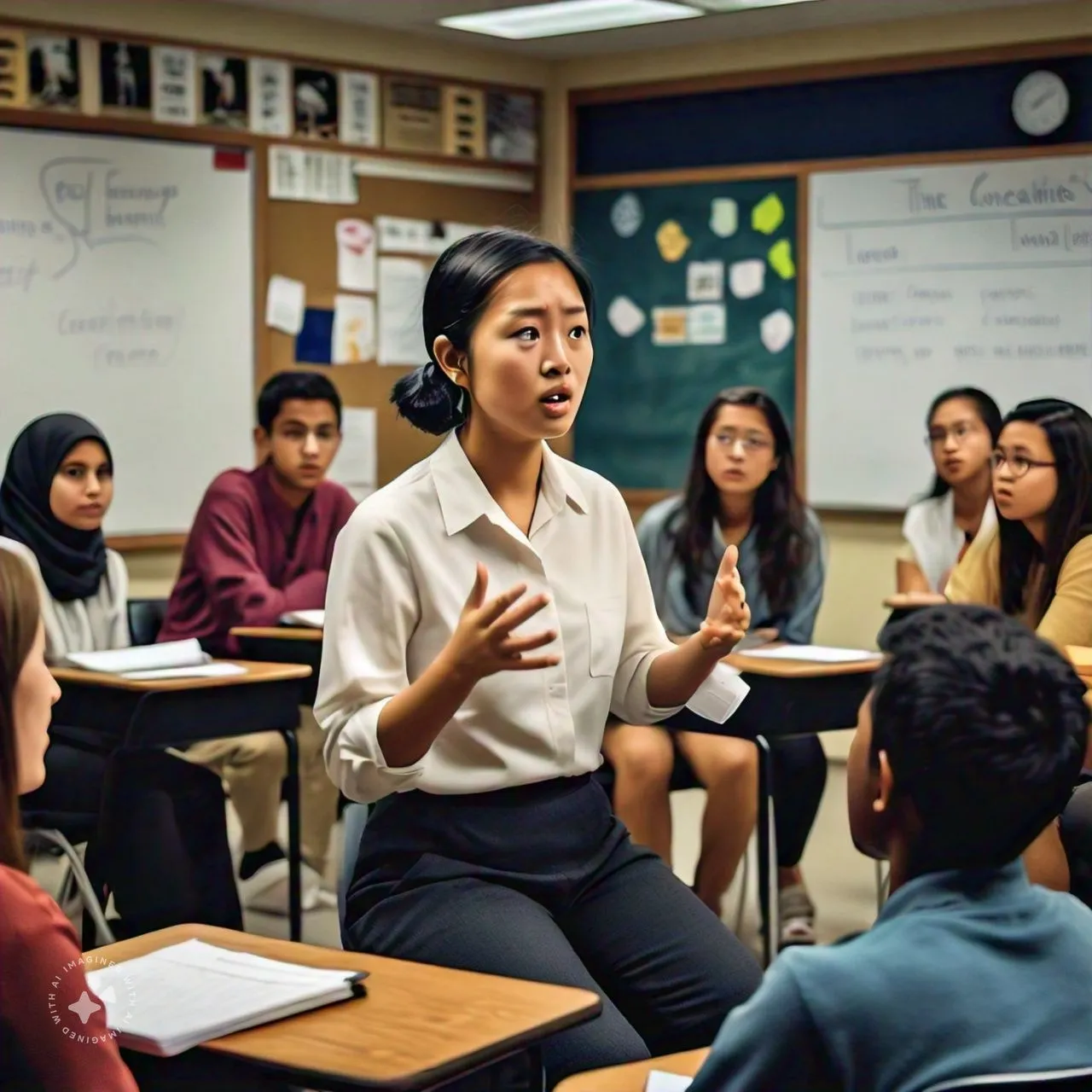
The Art of Conflict Resolution: Essential Skills for Students
The Art of Conflict Resolution: Essential Skills for Students
Conflict is a natural part of life, whether in personal relationships, academic settings, or professional environments. For students, learning how to manage and resolve conflicts is not only an essential skill for maintaining healthy relationships but also a critical tool for success in future careers. In today’s interconnected world, conflict resolution is more important than ever as it helps students build emotional intelligence, improve communication skills, and promote a positive learning environment.
In this article, we’ll explore the art of conflict resolution, why it’s important for students, and the essential skills needed to resolve conflicts effectively.
Why Conflict Resolution Matters for Students
Conflict, when managed well, can lead to personal growth, deeper understanding, and stronger relationships. However, unresolved conflicts can create stress, disrupt learning environments, and lead to negative emotional and social consequences. Here’s why conflict resolution is crucial for students:
- Improves Communication Skills : At the core of every conflict is a communication breakdown. By learning to resolve conflicts, students also improve their ability to communicate effectively with others. This skill is vital not only in academic settings but also in personal relationships and future careers.
- Fosters Emotional Intelligence : Conflict resolution requires students to understand their emotions and those of others. Emotional intelligence is an important life skill that helps individuals manage emotions, show empathy, and navigate interpersonal relationships with sensitivity and awareness.
- Promotes Collaboration : In both academic and professional environments, teamwork is essential. Conflict resolution helps students learn how to collaborate effectively with others, even when disagreements arise. It encourages a spirit of cooperation and mutual respect.
- Reduces Stress and Anxiety : Unresolved conflicts can lead to ongoing tension and stress. Students who know how to handle conflicts can resolve them quickly and move on, reducing anxiety and creating a more peaceful environment for everyone.
- Prepares for Future Success : Conflict resolution is a key skill in the workplace. Employers value individuals who can handle disagreements professionally, find solutions to problems, and work well with diverse teams.
Common Types of Conflict Students Face
Students encounter conflicts in various areas of life, from interactions with peers to differences with teachers or group project disputes. Some common types of conflicts students may face include:
- Peer Conflicts : Disagreements between friends or classmates over personal issues, differing opinions, or misunderstandings.
- Group Project Conflicts : In group work, students may have differing ideas about how to approach a project, which can lead to conflict over roles, responsibilities, or contributions.
- Teacher-Student Conflicts : Disagreements with teachers over grades, classroom policies, or expectations.
- Social Media Conflicts : In today’s digital age, conflicts can arise online through social media platforms, where miscommunication or negative comments can quickly escalate.
Recognizing the types of conflicts students may face is the first step in addressing them effectively.
Essential Conflict Resolution Skills for Students
To resolve conflicts successfully, students must develop a set of skills that allow them to navigate disagreements calmly and constructively. Here are some essential conflict resolution skills every student should learn:
1. Active Listening
Active listening is one of the most important skills in conflict resolution. It involves fully concentrating on what the other person is saying without interrupting, judging, or formulating a response while they are speaking. When students practice active listening, they show empathy and demonstrate that they value the other person's perspective.
How to practice active listening:
- Maintain eye contact and give your full attention to the speaker.
- Nod or use verbal affirmations like “I see” or “I understand” to show you’re engaged.
- Paraphrase what the speaker has said to confirm understanding (e.g., “So you’re saying that you feel left out when I don’t include you in group decisions?”).
Active listening helps prevent misunderstandings and allows for a more productive conversation.
2. Empathy and Understanding
Empathy is the ability to understand and share the feelings of others. In conflict resolution, empathy plays a crucial role by allowing students to see the situation from the other person's perspective. It fosters mutual respect and helps both parties feel heard and validated.
How to build empathy:
- Put yourself in the other person’s shoes and imagine how they feel.
- Acknowledge the emotions involved, whether it’s frustration, anger, or sadness.
- Validate the other person’s feelings by saying, “I understand that this situation is difficult for you” or “It sounds like this has been upsetting.”
When students approach conflicts with empathy, it becomes easier to find common ground and work toward a solution that benefits everyone.
3. Assertiveness, Not Aggressiveness
In conflict resolution, it’s essential to be assertive without being aggressive. Assertiveness means expressing your thoughts and feelings clearly and respectfully, without attacking or belittling the other person. It’s about standing up for yourself while also considering the other person’s perspective.
How to be assertive:
- Use “I” statements rather than “You” statements. For example, say “I feel frustrated when I don’t get feedback on my part of the project” instead of “You never give me feedback.”
- Be clear and direct about your needs and concerns without blaming or accusing.
- Stay calm and composed, even if the other person becomes emotional or defensive.
Assertiveness helps students communicate their needs effectively without escalating the conflict.
4. Problem-Solving and Compromise
Effective conflict resolution involves finding a solution that works for both parties. This requires problem-solving skills and the willingness to compromise. When students focus on finding a win-win solution, they can resolve conflicts in a way that satisfies everyone involved.
How to approach problem-solving:
- Identify the underlying issue: What is the root cause of the conflict?
- Brainstorm possible solutions together. Encourage creativity and openness to different ideas.
- Evaluate the solutions and agree on a plan that works for both parties.
- Be willing to compromise. Sometimes, resolving a conflict means giving a little to meet the other person halfway.
By developing strong problem-solving skills, students can approach conflicts as opportunities to collaborate rather than compete.
5. Managing Emotions
In the heat of a conflict, emotions can run high. Learning to manage and regulate emotions is key to resolving conflicts peacefully. Students who can control their emotions during disagreements are more likely to communicate effectively and prevent the situation from escalating.
Tips for managing emotions:
- Take deep breaths to stay calm and composed.
- If needed, take a short break from the conversation to cool down before resuming.
- Practice mindfulness or relaxation techniques to reduce stress.
- Avoid reacting impulsively. Take a moment to think before responding.
By staying calm and collected, students can approach conflict resolution with a clear mind and a more constructive attitude.
Conflict Resolution Strategies for Students
Now that we’ve covered essential conflict resolution skills, let’s explore some practical strategies students can use to handle conflicts effectively.
1. The “Cool Down” Method
When emotions are running high, it’s often best to take a step back before attempting to resolve the conflict. The “cool down” method encourages students to pause, reflect on their emotions, and return to the conversation when they feel calmer.
How to use the cool-down method:
- Politely ask for a break from the conversation (e.g., “I need a few minutes to calm down before we continue talking”).
- Take a walk, practice deep breathing, or find a quiet space to collect your thoughts.
- Resume the conversation when both parties are ready to discuss the issue calmly.
2. The “Win-Win” Approach
The “win-win” approach encourages both parties to work together to find a solution that benefits everyone. Instead of focusing on who is “right” or “wrong,” students work toward a resolution that satisfies both sides.
Steps to apply the win-win approach:
- Identify the needs and concerns of both parties.
- Brainstorm possible solutions that address those needs.
- Agree on a solution that provides mutual benefits.
This approach promotes collaboration and ensures that both parties feel heard and respected.
3. Mediation
In some cases, conflicts can be difficult to resolve without outside help. Mediation involves bringing in a neutral third party, such as a teacher, counselor, or peer, to help facilitate the discussion. The mediator helps both parties communicate effectively and find a resolution.
How mediation works:
- The mediator listens to both sides of the conflict.
- The mediator helps clarify misunderstandings and encourages open communication.
- The mediator guides both parties toward a mutually acceptable solution.
Mediation can be especially helpful for resolving conflicts that have become particularly tense or complicated.
Embracing Conflict as a Learning Opportunity
Conflict resolution is an essential life skill that every student should develop. By learning how to manage disagreements effectively, students can improve their communication, empathy, and problem-solving abilities. These skills not only benefit them in school but also in their personal relationships and future careers.
Rather than seeing conflict as something to be avoided, students should embrace it as an opportunity for growth and learning. With the right skills and strategies, students can navigate conflicts with confidence, creating more harmonious relationships and a more positive learning environment.