
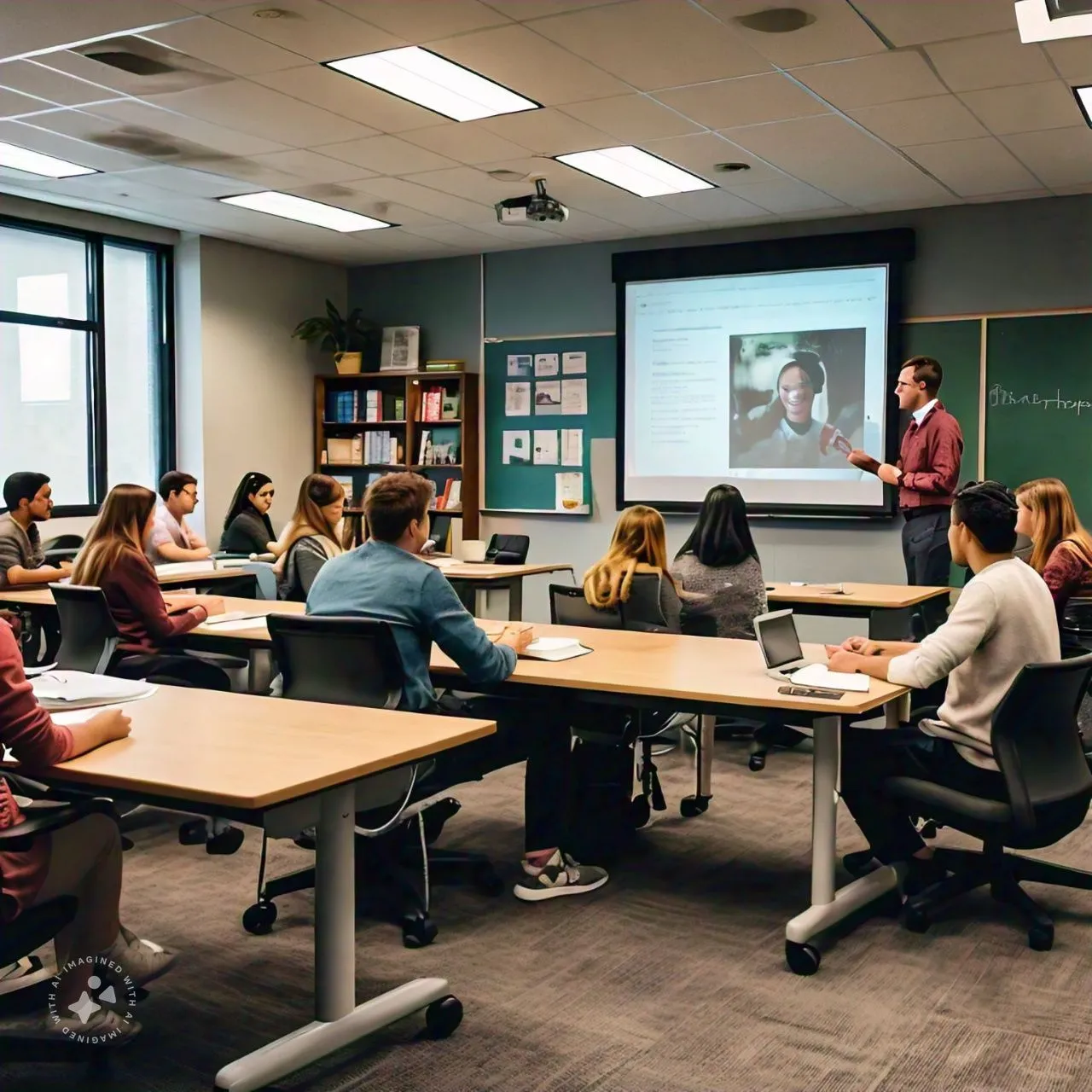
Exploring Hybrid Learning Models: Blending Online and On-Campus
Exploring Hybrid Learning Models: Blending Online and On-Campus
In recent years, educational institutions worldwide have been rapidly adopting hybrid learning models, which combine online and on-campus learning. This approach is transforming the traditional classroom, offering students greater flexibility, while educators can personalize learning experiences to better meet student needs. As we continue to navigate the evolving landscape of education, understanding the dynamics and benefits of hybrid learning is crucial for both students and teachers.
What Is Hybrid Learning?
At its core, hybrid learning merges the best aspects of both online and in-person education. It typically involves a mix of:
- Online Learning : This aspect allows students to engage with course materials through digital platforms. Online learning can include pre-recorded lectures, live virtual classes, interactive discussions, and assignments submitted electronically. The convenience of accessing content anytime, anywhere adds flexibility to the learning experience.
- On-Campus Learning : Traditional face-to-face interactions remain a vital component of hybrid learning. Students attend in-person sessions for hands-on activities, group projects, laboratory work, or discussions that benefit from real-time interactions.
The hybrid learning model can vary widely depending on the institution, course structure, and the specific needs of students. Some classes may have a fixed schedule with equal parts online and on-campus activities, while others may lean more toward one format based on course content or student preferences.
The Rise of Hybrid Learning Models
The hybrid learning model has been growing in popularity for several reasons. Although the COVID-19 pandemic accelerated the adoption of online education, institutions were already experimenting with hybrid formats prior to 2020. The shift was initially driven by the desire to make learning more accessible, particularly for non-traditional students such as working professionals, parents, or those living in remote areas.
Now, hybrid learning models are seen as a solution that enhances education by combining the flexibility of online learning with the social and collaborative aspects of on-campus experiences. This shift acknowledges that different students have different learning styles, and hybrid education caters to those diverse needs.
Key Benefits of Hybrid Learning
Hybrid learning offers a variety of benefits, not only to students but also to educators and institutions. Let's explore the main advantages that make this model so appealing.
1. Flexibility for Students
Perhaps the most significant benefit of hybrid learning is the flexibility it offers students. Learners can access online materials at their own pace and from anywhere, which is particularly helpful for those balancing work, family, or other commitments. For many, this flexibility reduces stress and allows them to engage with their studies on a schedule that suits them best.
Additionally, students can revisit recorded lectures, tutorials, or materials if they need to review difficult concepts. This allows for personalized pacing, which is not always possible in a traditional classroom setting.
2. Enhanced Engagement Through Multiple Modalities
Hybrid learning provides an opportunity for students to engage with course materials in various formats. Some students may learn best through reading, while others benefit from interactive online tools or video content. The hybrid model accommodates different learning styles by incorporating a range of instructional methods, ensuring students can grasp key concepts in ways that resonate with them.
For example, a science class might offer virtual simulations online, allowing students to explore complex processes at their own pace. Later, they can attend an in-person lab session to apply that knowledge in a hands-on environment. The blending of these modalities keeps students more engaged and offers a well-rounded educational experience.
3. Building Digital Literacy and Self-Discipline
As more industries shift towards remote work and digital operations, students who engage in hybrid learning are building essential skills for the future workforce. The online components of hybrid courses teach students how to navigate digital platforms, collaborate through virtual tools, and manage their time effectively.
Hybrid learning also promotes self-discipline and responsibility. Without the constant oversight of a traditional classroom, students must take ownership of their learning by managing deadlines and staying engaged with online activities. This fosters independence and prepares students for real-world scenarios where they must balance various tasks.
4. Opportunities for Collaboration and Networking
The hybrid model encourages collaboration both online and in person. Through online discussion boards, video conferences, and group chats, students can engage with peers across different locations. In face-to-face sessions, students can deepen those connections by collaborating on projects or participating in interactive discussions.
These opportunities for networking are crucial in fields where teamwork is highly valued. For example, business or engineering students may work together on case studies, combining virtual brainstorming sessions with in-person presentations. By doing so, they develop stronger interpersonal skills that will serve them in their future careers.
5. Personalized Learning and Feedback
Hybrid learning allows for greater personalization in the classroom. Teachers can use data analytics from online platforms to track student progress, identify areas of difficulty, and adjust instruction accordingly. Online quizzes, forums, and assignments provide immediate feedback, allowing students to address gaps in understanding before they attend in-person classes.
In turn, educators can focus on personalized support during on-campus sessions. If they notice certain students are struggling with specific topics, they can offer targeted guidance in real-time, making in-person interactions more meaningful and productive.
Challenges of Hybrid Learning and How to Overcome Them
While the benefits of hybrid learning are significant, it is not without its challenges. Both students and educators may face difficulties in adapting to this new model. Here are some common challenges and strategies for overcoming them.
1. Maintaining Student Motivation and Engagement
One of the primary challenges in hybrid learning is ensuring that students remain motivated, especially when engaging with online components. Without the structure of a traditional classroom, some students may procrastinate or lose focus.
Solution : To counter this, educators can incorporate gamification elements like badges, rewards, and progress tracking to make online learning more interactive. Setting clear expectations and maintaining regular check-ins can also keep students accountable.
2. Technological Access and Literacy
Not all students have equal access to technology or the skills needed to navigate online learning platforms. This disparity can create barriers for some learners.
Solution : Institutions should ensure that students have access to the necessary devices and internet connectivity. Additionally, offering training sessions on how to use online platforms and tools can bridge gaps in digital literacy.
3. Balancing Online and In-Person Components
Finding the right balance between online and in-person learning can be tricky. Some students may prefer more face-to-face interaction, while others lean towards online flexibility. Striking the right mix is essential for a positive experience.
Solution : Educators should seek feedback from students regularly to gauge what works best for them. Flexibility is key; offering multiple learning pathways and allowing students to choose how they engage with course content can help meet diverse needs.
4. Teacher Workload and Adaptation
For educators, hybrid learning often means increased workload as they must create materials for both online and on-campus delivery. Adapting to new technologies can also be a steep learning curve for teachers used to traditional methods.
Solution : Institutions should invest in professional development for educators, providing training in both pedagogy and technology. Offering support through teaching assistants or technological tools can also alleviate some of the burdens.
The Future of Hybrid Learning
As education continues to evolve, hybrid learning is likely to become a permanent fixture in academic institutions worldwide. The flexibility and personalization it offers are ideal for meeting the needs of a diverse student population, while its integration of technology prepares learners for the demands of the modern workforce.
In the future, we may see even more innovative approaches to hybrid learning, including the use of virtual reality (VR), artificial intelligence (AI), and adaptive learning systems. These advancements could further enhance the ability to tailor education to individual students, making learning even more effective and engaging.
Embracing the Hybrid Future
Hybrid learning represents a powerful shift in the educational landscape. By blending the flexibility of online education with the social and collaborative benefits of on-campus learning, this model provides students with a more dynamic and personalized learning experience. As we look to the future, hybrid learning offers the potential to create more inclusive, accessible, and effective education systems.
Whether you're a student seeking flexibility or an educator exploring new teaching strategies, hybrid learning opens doors to innovative possibilities that can transform how we think about education. By embracing this model, we can cultivate a generation of learners who are adaptable, engaged, and ready to thrive in an ever-changing world.